
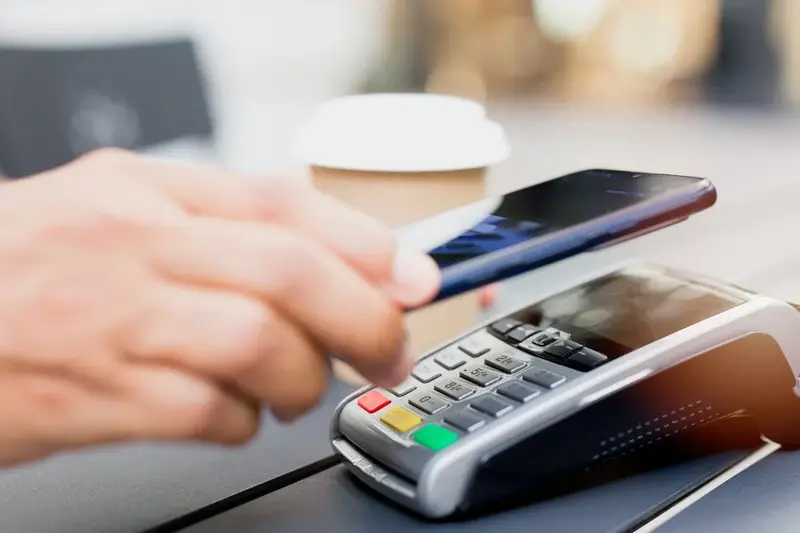
UK scraps £100 contactless cap - banks can raise limits, giving shoppers more flexibility, but rollout and spending thresholds will vary by provider.
Shoppers are gearing up for a change: from Thursday, March 19, the UK’s long-standing £100 contactless cap is being scrapped for many card payments, giving banks and payment firms more freedom to set limits , and shoppers more choices about how much they tap for at tills.
Cap removed: The fixed £100 contactless card limit is being lifted for banks and payment providers with robust fraud controls.
Mobile wallets unchanged: Payments via phones and smartwatches still verify you by Face ID, fingerprint or passcode, so they weren’t bound by the old £100 cap.
Safety still central: Firms must have strong fraud controls to offer higher limits, so not every card will automatically support bigger contactless spends.
Rollout varies: Retailers and banks will move at different speeds, so some tills may accept higher tap payments sooner than others.
Practical impact: Expect more convenience for grocery runs and petrol stops, but check your card provider’s rules before relying on higher limits.
What’s actually changing with contactless limits, and why it matters
From March 19, the Financial Conduct Authority is allowing banks and payment providers with strong fraud protections to set their own contactless card limits, rather than sticking to a fixed £100 ceiling. That means, if your bank chooses to, you could tap for larger amounts at a shop without needing a PIN. The change aims to match how people already use payments , many favour quick, quiet taps rather than hunting for cards or cash.
The switch doesn’t mean instant universal higher limits. Firms need to demonstrate solid anti-fraud measures before they raise caps, and merchants also need compatible terminals. So while the option is there, the real-world experience will depend on who you bank with and where you shop.
Why mobile payments were different all along
Mobile wallets such as Apple Pay and Google Pay have always been treated separately because the phone or wearable does an identity check , Face ID, fingerprint or passcode , which is a stronger verification than a bare tap. That’s why mobile payments could already handle higher amounts without the £100 guardrail.
People who’ve grown used to tapping their phone for big grocery hauls won’t see a functional change. What’s new is that physical contactless cards can now be configured the same way, if providers opt in and install the right fraud defences.
How this will play out in shops and at tills
Expect a patchwork in the short term. Some high‑street banks and big retailers will move quickly to offer higher tap limits; smaller firms might take longer while they update systems and test fraud controls. That means you might be able to tap for a £120 shop at one supermarket and still need a PIN at another.
If you’re juggling contactless taps across several cards, check your bank’s announcements or app settings. Retail staff may also need time to get used to different terminal prompts, so be prepared for a quick question at the till.
What shoppers should do now: simple, practical tips
First, check with your bank or card issuer , many will publish whether they intend to raise the limit and when. Second, keep your mobile wallet set up and updated: it remains the most consistent way to make larger contactless payments. Third, be alert for fraud notifications and regular account checks; the FCA’s move depends on firms proving strong protections, and your vigilance helps too.
If you frequently pay for bigger purchases by tapping, a short call to your provider or a look in your banking app will save the embarrassment of a declined payment when you’re at the checkout.
What regulators and industry say, and what comes next
According to the FCA, the aim is to build flexibility into the system and give choice to both firms and consumers, while keeping safety central. Industry groups have previously welcomed the move, noting contactless popularity and the need for payments to evolve with consumer habits.
Looking ahead, expect more dialogue on the balance between convenience and fraud risk, plus further tweaks as firms report back on how the new flexibility is working. For shoppers, it’s a useful nudge to stay informed and use the verification tools on mobiles and banking apps.
It’s a small change that could make everyday payments faster , just check your bank before you rely on it.
Disclaimer
This article is intended for general information purposes only and does not constitute legal advice. For advice specific to your situation, please contact our team at T & M Legis for a consultation with our Legal Experts.